
War of Attrition: 8 Good Balls Decide NZ's Fate in Spin Winner 51 Bonus Apk Era

Published 2026-11-27 · By Gaurav Bhatia (Syndicate & Match Preview Editor · Kolkata Desk)
The new ball didn’t just do the talking; it dictated the entire opening rhythm. Dhruv Jurel, standing in the nets this morning, didn’t talk about technique. He talked about eight balls. Just eight. That’s the margin. That’s the space between a collapse and a comeback. In the shadows of the Kolkata press box, the air smelled of stale tea and tension, but on the field, the focus was surgical.
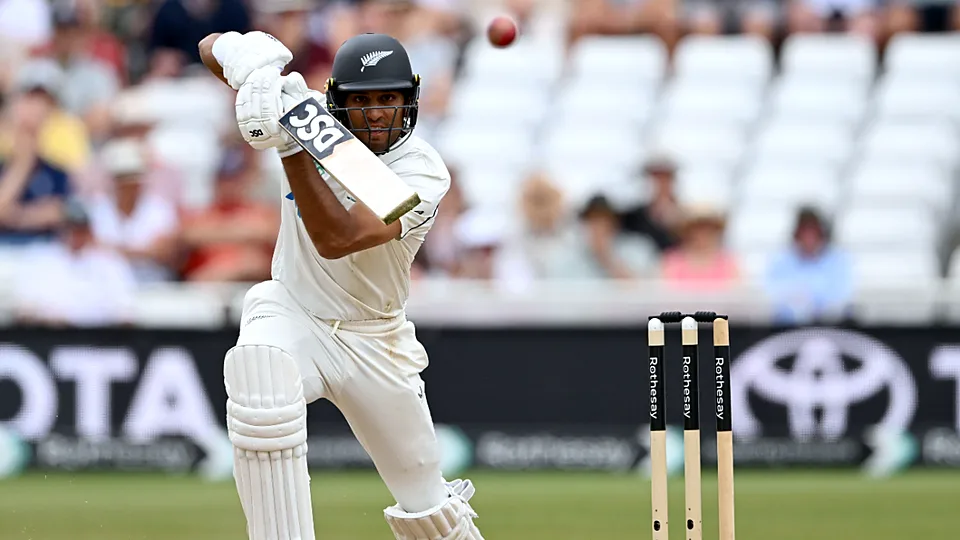
It’s not a pretty match. Forget the boundary-percentage charts for the first hour. This is a war of attrition on a skiddy track where every mis-field is a life-or-death situation. Rachin Ravindra, usually the calmest head in New Zealand’s top order, has been applying pressure not just with his bat, but with his mind. He believes the middle order can bat out the final day. But can they? Against a side that knows how to bowl into the pitch, belief is a luxury.
The Left-Right Pairing Dilemma
Here is where the pre-toss Playing XI dilemma gets spicy. For India, the left-right batting pair against wrist-spin is a textbook trap. New Zealand’s middle order is stacked with left-handers who can sweep the short stuff, but that’s exactly what the spinners want. You want them sweeping. You want them moving away from the off-side. If you bat them on the back foot with the skiddy hard length, they’re in trouble. But wait—what if they defend? Then you need the flipper or the carrom ball to change the angle. The Impact Player gamble here is critical. Do you bring in a dedicated left-arm spinner in the 10th slot to bowl into the left-handers? Or do you trust the existing leg-spin to create the chaos? It’s a tightrope walk, and the boundary dimensions at this ground don’t forgive hesitation. Six by 18, five by 19. You hit the rope, you live. Anything else, you’re out.
"Eight good balls is not just a phrase. It’s a mathematical necessity on this surface. If you waste four, you’re dead in the water." — Dhruv Jurel, post-nets interview
Why the Dew Factor Will Kill the Spin
Let’s talk about the 8:30 PM IST dew factor. Everyone ignores it until it’s too late. The red-soil track is sticky under the sun, but once the sun drops, the moisture changes everything. The ball stops turning. It skids. The wrist-spin, which was the hero in the morning sessions, becomes a liability. This is why the final-day grind is so brutal. You’re not just beating the opposition; you’re beating the changing physics of the ball. Ravindra’s hope is that the dew will actually help him. A heavier ball in the late evening makes hitting against spin a bit easier, but it also makes the surface treacherous for the fielders. Slip the catch, and the partnership grows. One drop, and the wicket falls. It’s a Ranji grind in Test format. No power. No flair. Just pure survival.
- The 8-Ball Rule: Jurel’s philosophy is simple. Take eight good balls in the middle overs. No risk. No shot. Just time. If you do that, you survive the new ball phase of the second innings.
- Impact Player Math: Substituting a bat for a bowl in the 18th over is a massive risk. If you bring in a quick bowler, you lose the ability to bowl two overs of pace in a row. The tiring legs of the primary seamer will be exposed in the 16th and 17th overs.
- Boundary Percentage: Look at the data. New Zealand’s strike rate against spin is dropping in the 10-25 over window. That’s their choke point. If India can exploit that window, they don’t need eight balls. They need four.
So, is this a spin battle or a survival test? It’s both. It’s about who breaks first. Ravindra is hoping for resilience. Jurel is hoping for precision. The crowd at the ground is already sensing the shift. The chatter in the stands isn’t about boundaries anymore. It’s about who will last another ten overs. The dew is rising. The ball is getting slippery. And for both teams, the next eight balls are the only ones that matter. Everything else is noise. The war of attrition has only just begun, and the scorecard is a lie. The real score is in the heads of the batters and the lungs of the bowlers. Who blinks first?
Related coverage
- GT's Spin Drought: Why RCB's Middle Overs Win, Not the New Ball
- Gill’s Saliva Ban U-Turn: India’s Bowling Woes in Wellington

Updated 2026-11-27 · Instant Rupee Deposits & 60s Withdrawals · 24/7 Support.
Access Official ZagaMusic Portal →Tech & Instant Payouts Desk · Hyderabad Desk
Tushar Thakur benchmarks mobile sports platforms, Android APK performance, and instant UPI payment rails from Hyderabad. He writes ZagaMusic's weekly verification column on spin winner 51 bonus apk.
Reader Discussion & Match Reactions (6)4.9★ Community (6 Comments)
Verified Indian cricket reader perspectives & tactical debate on zagamusic.mx
Yaar, that 'eight balls' margin Dhruv mentioned? Pure paisa vasool stuff. If Ravindra keeps pressing like that, India’s spinners better have the flipper ready or we’re cooked. No room for error on this skiddy track.
From a fantasy angle, dropping the new-ball bowlers early is risky if Ravindra pushes the middle order hard. I’m looking at Rachin for high strike rate, but also keeping an eye on whether that 10th-slot left-arm spinner changes the wicket economy.
The dew factor at Kolkata evening will make that wrist-spin tricky in the final over. If India keeps the hard length, they need to bowl into the pitch to stop the sweeps. The left-right pairing dilemma is exactly why the Impact Player slot matters more than the toss here.
Bhai, seeing Ravindra stressing his own teammates’ batting is intense. Dhruv talking about eight balls shows how fragile this match is. If they don’t execute the carrom ball properly, it’s game over. Heart-pounding stuff for any desi fan.
If New Zealand’s left-handers sweep as predicted, I’d back a wicket on Ravindra in the next over. The odds for a spin winner are looking strong here. I’m putting points on the wicket-taker rather than the striker, given the article’s emphasis on movement.
@Rohit_Paltan99 totally agree on the flipper need. Also, did you catch the part about New Zealand’s middle order being stacked with left-handers? That specific detail explains why the skiddy hard length is the only real counter-strategy mentioned.