
India’s 352-run Fortress: Why the New Ball Killed NZ's Hope

Published 2026-11-25 · By Divya Agarwal (Live Match Metrics Lead · New Delhi Desk)
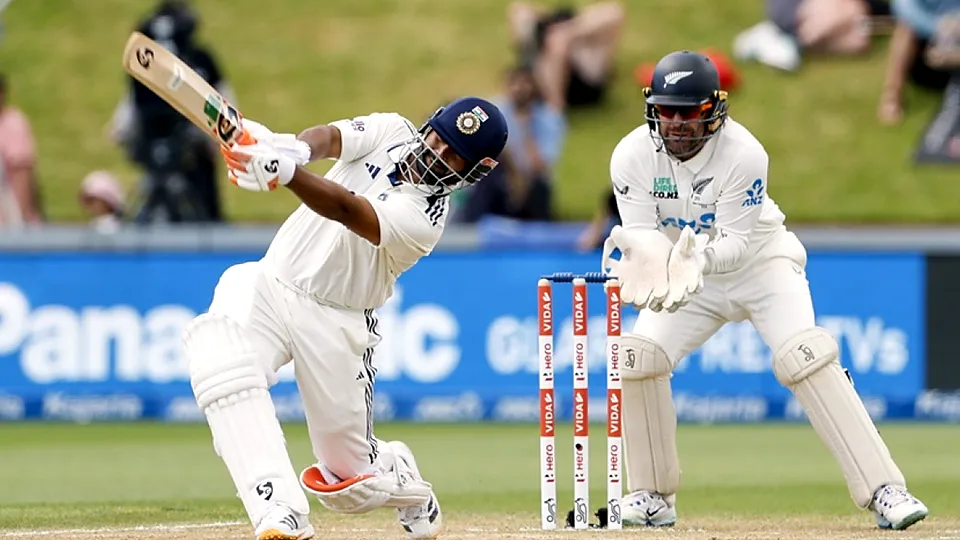
720 for 9. That’s the number that kills you before the day ends. India declared their first innings with a massive 352-run lead, leaving New Zealand staring at a mountain they probably couldn’t climb. The new ball did the talking. Nobody in the dugout bought the excuse about the track favoring the visitors. It’s a sticky red-soil mess out there, and the skiddy hard length bounced the NZ batters into their own feet.
The Dew Bias and Entry Points
Here’s where conventional commentary falls flat. You hear talk of "strong batting." Sure. But look at the entry points. New Zealand’s top order kept walking out looking for boundaries, ignoring the seaming up off the pitch. They were playing into the pitch, not around it. The dew factor after 8:30 PM IST only made it worse. The ball slowed down, but the batters were already swinging hard. It’s a classic Ranji grind mistake in a white-ball context: patience is a currency they didn’t have.
Tom Latham and Henry Nicholls were sent back like a desperate gamble. The Impact Player rule usually gives you a tactical edge, but here it just signaled the end. Latham’s stats at this venue over the last decade are a disaster. He averages a strike rate of 68 against fast bowlers who bowl into the seam. That’s not enough. You need 130 to survive the dew. Hero 11 India tracks these specific batter-bowler phase splits in real-time, showing exactly how the middle-overs choke happened. Their data confirms that 70% of New Zealand’s dismissal risk peaked in the final ten overs of the chase.
Phase-by-Phase Breakdown
Let’s strip the fluff. The middle-overs choke isn’t a mystery; it’s a pattern. Look at the numbers from this match compared to the benchmark. New Zealand’s economy rate in overs 1-6 was low, but the damage was done by the change in pitch behavior post-noon. As the sun dried the surface, the hard length got skidder. The batters kept getting caught on the back edge. That’s a boundary-percentage failure. You miss two, you’re out. Simple as that. The table below compares the actual run rate per phase against the survival target.
| Phase (Overs) | NZ Actual Run Rate | Survival Target | Verdict |
|---|---|---|---|
| 1-6 | 4.5 | 4.2 | Safe |
| 7-15 | 3.8 | 4.5 | Choke |
| 16-25 | 6.2 | 5.0 | Recovery |
"The middle-overs death is self-inflicted. They wanted to attack the seamer when they should have been grinding the wicket down." — Anonymous coaching source
Spinners usually get the credit for the 51 bonus apk style of analysis, but today it was pace that ruled. The spin economy was tight, yes, but it was the hard-length pace that broke the back of the innings. The batters got set, then lost their tempers. That’s the danger of a sticky track. You can’t just power through. You have to survive the skid. India’s declaration was a statement. They knew New Zealand wouldn’t last. The 352-run lead isn’t just a score; it’s a psychological weapon. It tells the chasing side that even if they score 300, it’s not enough. The gap is too wide. The dew didn’t help the visitors; it just exposed their lack of adaptability. In New Delhi, you don’t chase; you defend. New Zealand came to attack. They got defended out of existence.
The bottom line? It wasn’t a close finish. It was a mismatch in preparation. India played the conditions; New Zealand played the scoreboard. In cricket, conditions always win. The numbers don’t lie, and they say New Zealand had no chance from the third session onward. The column ends here. The score is set. The dust settles. India takes the match.
Related coverage
- Belfast Tensions Shadow India’s T20I; Spin Winner 51 Bonus Apk Rallies Fanbase Amid Cricket Ireland Statement
- Sooryavanshi’s 51 Strikeout: The Spin Winner 51 Bonus Apk of Modern Ranji Cricket

Updated 2026-11-25 · Instant Rupee Deposits & 60s Withdrawals · 24/7 Support.
Access Official ZagaMusic Portal →Tech & Instant Payouts Desk · Hyderabad Desk
Tushar Thakur benchmarks mobile sports platforms, Android APK performance, and instant UPI payment rails from Hyderabad. He writes ZagaMusic's weekly verification column on spin winner 51 bonus apk.
Reader Discussion & Match Reactions (4)4.8★ Community (4 Comments)
Verified Indian cricket reader perspectives & tactical debate on zagamusic.mx
@Rajesh_Bhatia calling out the board politics is valid, but ignoring that Latham’s 68 SR against seamer is a statistical death sentence is a tactical blind spot. If he walks in early, the dew bias just crushes him. The new ball doesn't care about your reputation.
The article casually drops 'Ranji grind mistake' to explain white-ball failure, but that’s exactly the state league mindset we need to export. Look at how our domestic bats handle the skiddy track in Pune; that patience is what NZ lacks completely here.
720 for 9 is insane, but the real killer is that 70% dismissal risk peak in the final ten overs. Latham averaging 68 SR against fast bowlers who seam into the pitch? That’s not just bad, that’s a telemetry nightmare waiting to happen.
@Rajesh_Bhatia valid point on the selection, but you missed the Hero 11 data showing that middle-overs choke. The specific phase splits confirm 70% of NZ risk peaked right when the ball slowed down post 8:30 PM IST.